All types of documentaries
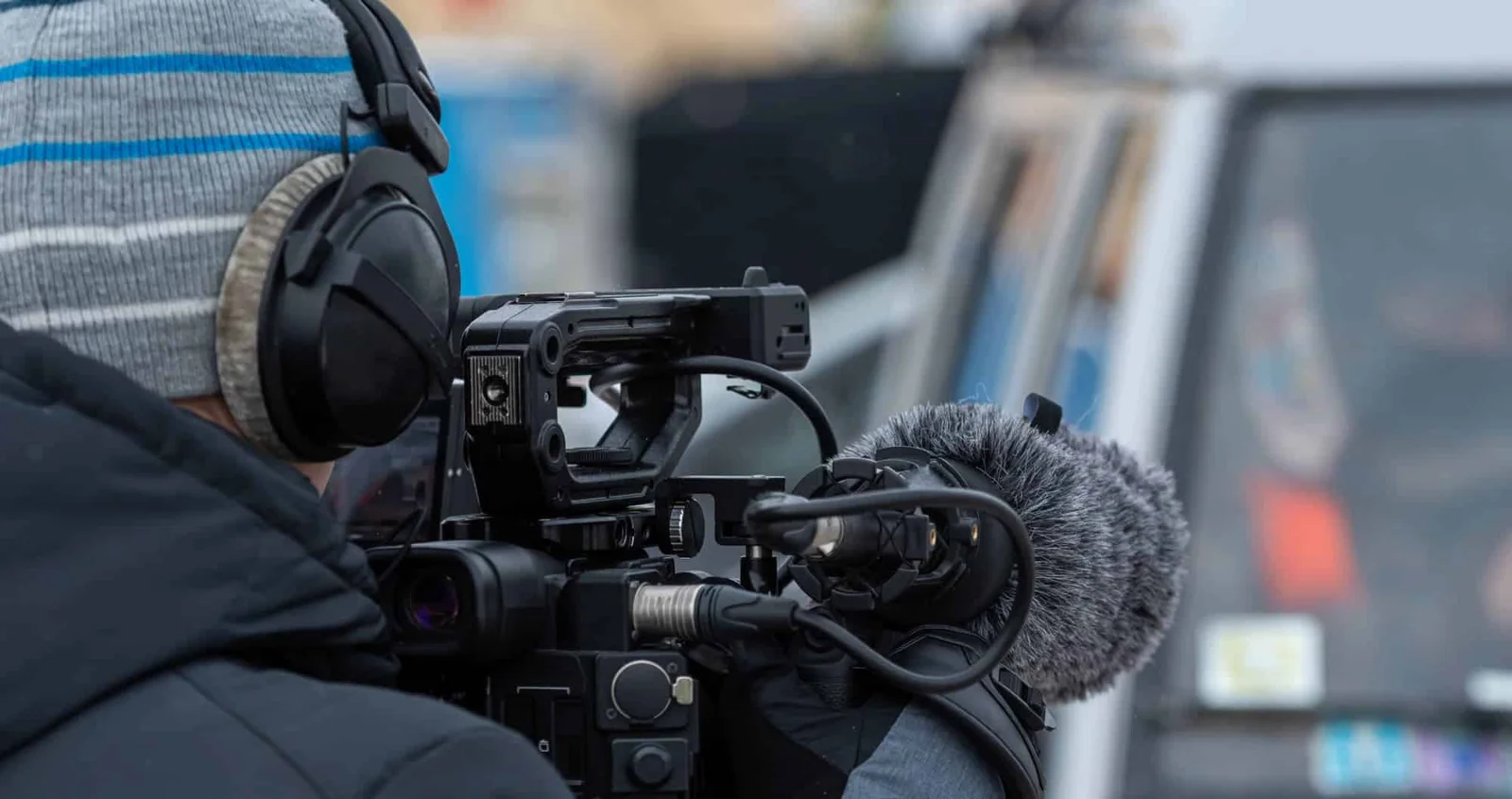
Precisely because life is complex, there are many ways of telling it, so there is not just one type of documentary but at least seven genres, excluding naturalistic ones because Qui Ticino focuses only on people. Each genre has its own strengths that can be used for the story we want to tell. Sometimes these genres can be mixed, other times it is impossible because they are in antithesis.
Cinema truth
You film what is happening in front of you, without filters, there is no clear script but it still always takes an objective, the answer to the documentary question. The difficulty with this genre is that it requires a long process, it can take months or even years of filming done at multiple times and in multiple contexts, with hundreds of hours of footage to be selected to then have a story.
Reenactment (docudrama)
These are reconstructions of events that really happened but of which there are no pictures available or only partially. In this case, some scenes are filmed with actors recreating the event being talked about as real as possible.
Documentary with interviews
This genre is based primarily on interviews that are edited together to create a story with the addition of images to cover what are called B-Rolls in the jargon (the A-Roll is the interview). The interviewee is placed in front of the camera or looks off-camera, lighting is generally edited, and the background can be important if part of the story setting. Generally, the interviewer is neither visible nor can his or her voice be heard, which is removed during editing, resulting in the interviewee appearing to speak freewheeling with a more natural effect. With this genre, a lot of information can be conveyed in a short period of time.
Exhibition documentary
Expository documentaries establish a specific point of view or argument about a subject, and a narrator often speaks directly to the viewer, emphasizing the relationship between the images presented on screen and offering verbal commentary. Expository documentaries include footage that supports and reinforces the spoken argument of the film, including archival footage, b-roll, or reenactments of historical events. Expository documentaries are strongly designed and constructed to inform and persuade. The goal of the expository documentary is to present a strong argument to the audience, persuading them to believe or agree with a certain point of view. Hystory Channel documentaries are a good example of this genre.
Participatory documentary
Those who make the documentary are also part of the story by trying to explain it. This happens when some particularly well-known or influential figures decide to tell the story they are passionate about in the first person. One of the most famous examples is Michael Moore's documentaries.
Reflective documentary
It is a way, mainly used on YouTube where it is shown how another documentary is made with footage and interviews behind the “scenes.”.
Impressionist documentary
An unconventional approach that is quite experimental but maintains a typical narrative arc that takes features from other genres in stride while remixing them into something different such as voice-over and cinema truth style. A lot of work is done on film-style cinematography with a specific tone.
Experimental documentary
Here there are no rules you can do anything even going outside the classic story arc.